


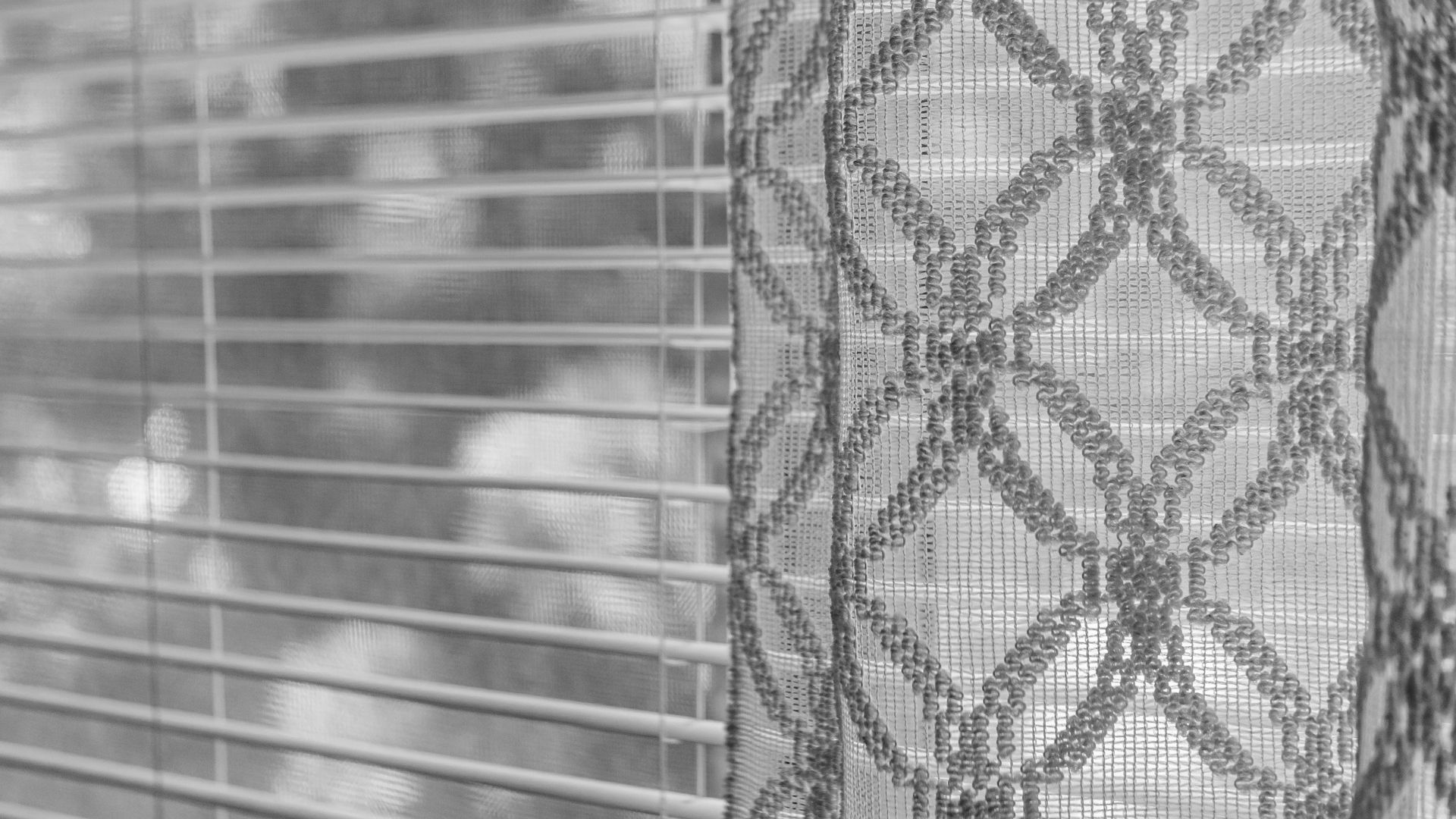

- No Estuary Water Glare
Properties on Marine Terrace or Tankerton Slopes experience intense afternoon sun
reflecting directly off the Thames Estuary.
While standard wood venetians or roller blinds force people to close them fully to stop
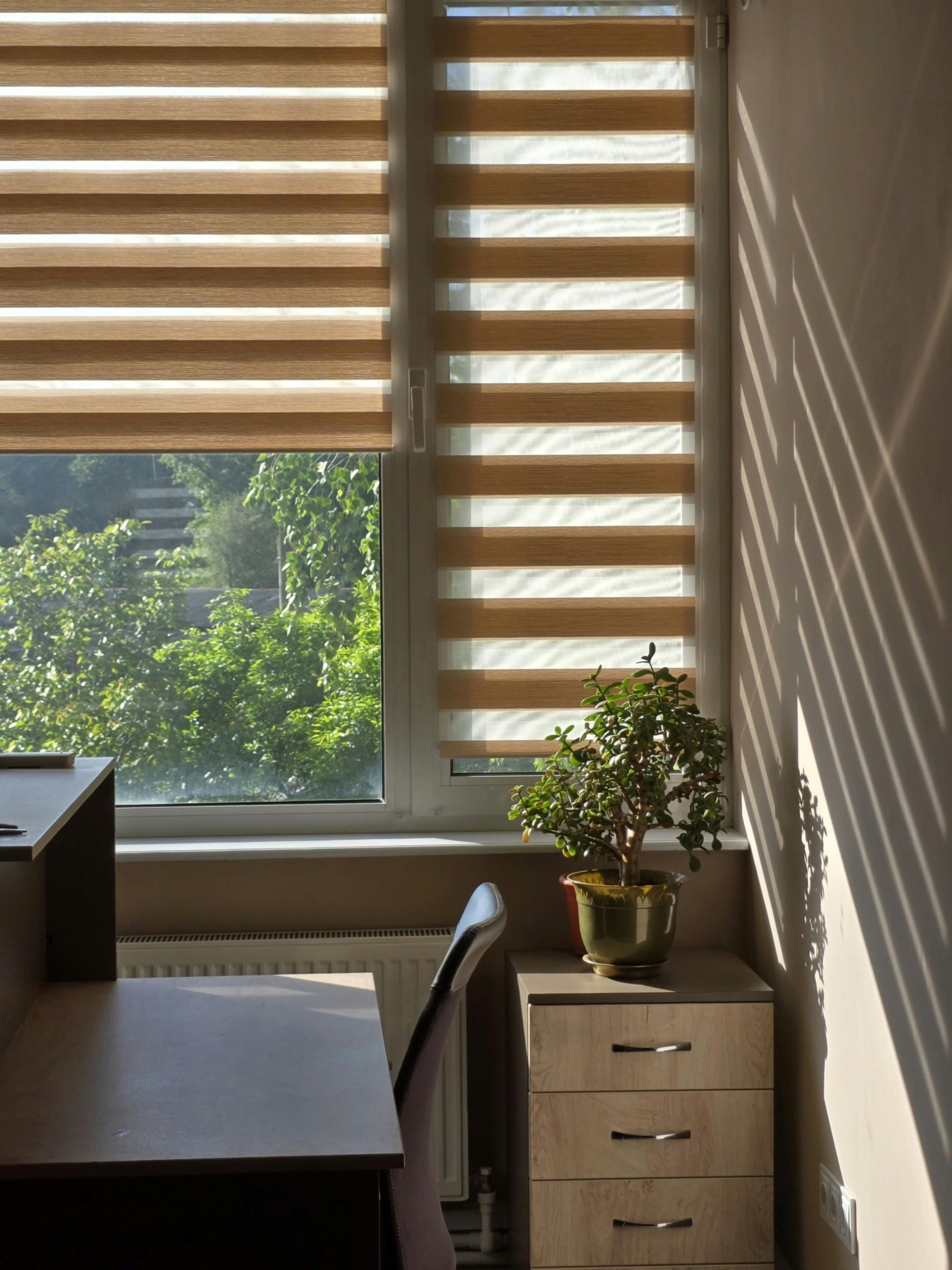
the blinding water-glare, which also cuts off the sea view, night and day blinds’
alternating stripes act as a polarising filter.
They allow you to look through the sheer gaps to view the changing tides and the boats
without a problem.
- No Terrace Fishbowl Exposure
On streets like Woodlawn Street or Harbour Street, there are many historic fishermen’s
cottages that sit directly on narrow pavements with high foot traffic, mostly tourists, making privacy difficult to maintain. Night and day blinds offer an excellent solution in this case, particularly.
Unlike Venetian, vertical blinds, or blackout rollers, which block almost all of the
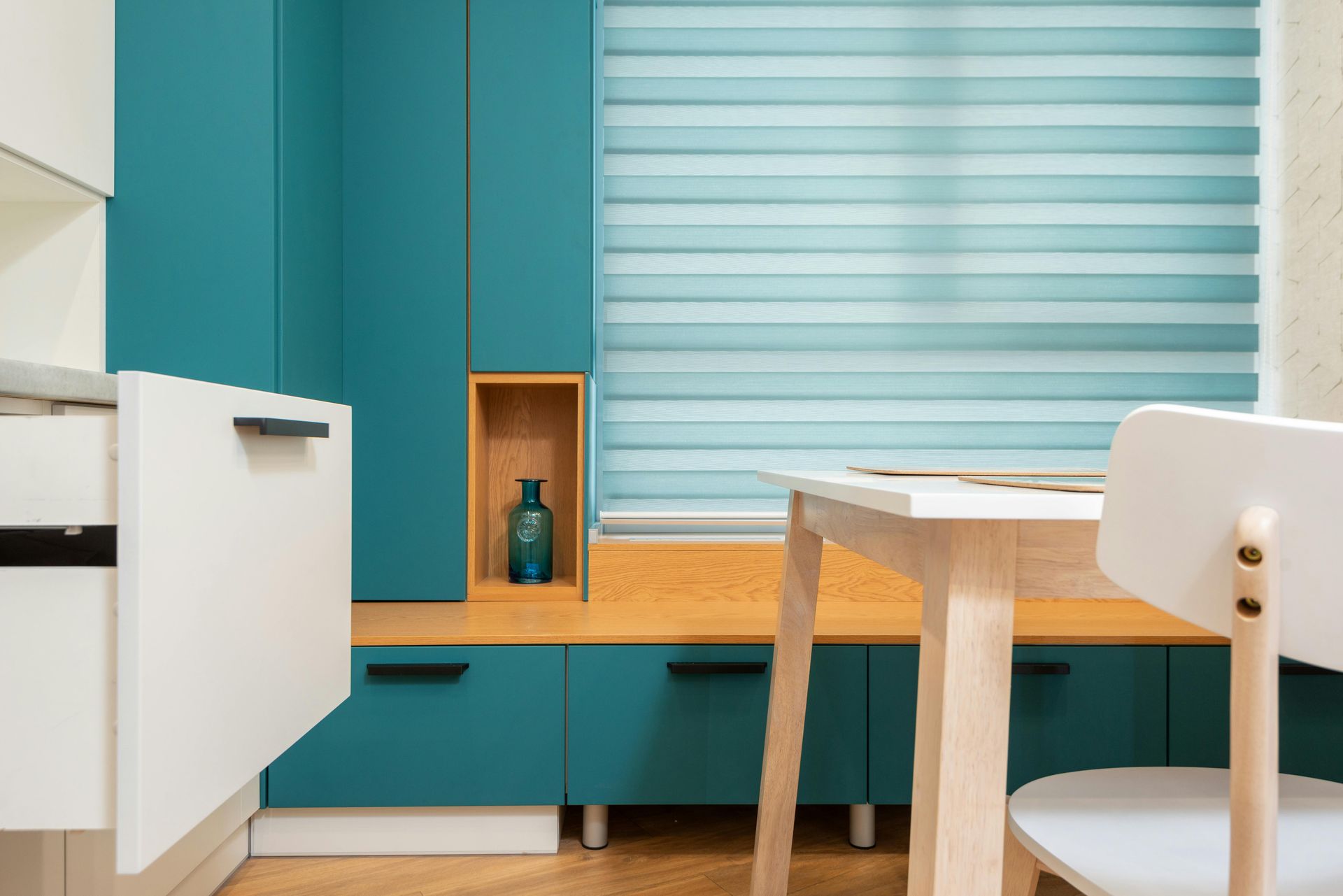
daylight, night and day blinds feature horizontal sheer bands that sit flush against each other in a dual-layer and flat plane. It distorts the view from the passerby’s point of view but allows 100% ambient daylight to enter.
- No Issues With Rapid Microclimate Fluctuations
We know how frequently the weather shifts in the North Kent coast area. It can move
from a blinding, almost cloudless sea sun to freezing maritime gales pretty quickly.
While thick Roman blinds insulate well against the wind, they become ineffective when you need them for the afternoon sun that suddenly appears. Lightweight faux-wood blinds are perfect for handling moisture, but they do not feature the dense fabric needed to trap heat effectively.
The night and day blinds function as a solar filter and thermal shield at the same time.
When you close them, they trap a dense pocket of air with their double-layered fabric
loop against draughty coastal windows.
You can shift them into a light-filtering summer screen that is also breathable with a
single pull. When you have a night and day blind in place, you don’t need to switch out
seasonal window dressings.